


Buscar por publicaciones
Categoría de productos
Noticias de la industria
 Por administrador
¿Cómo desarrollar y obtener con éxito productos químicos diarios?<
Introducción: Navegando por el complejo mundo de los productos químicos cotidianos
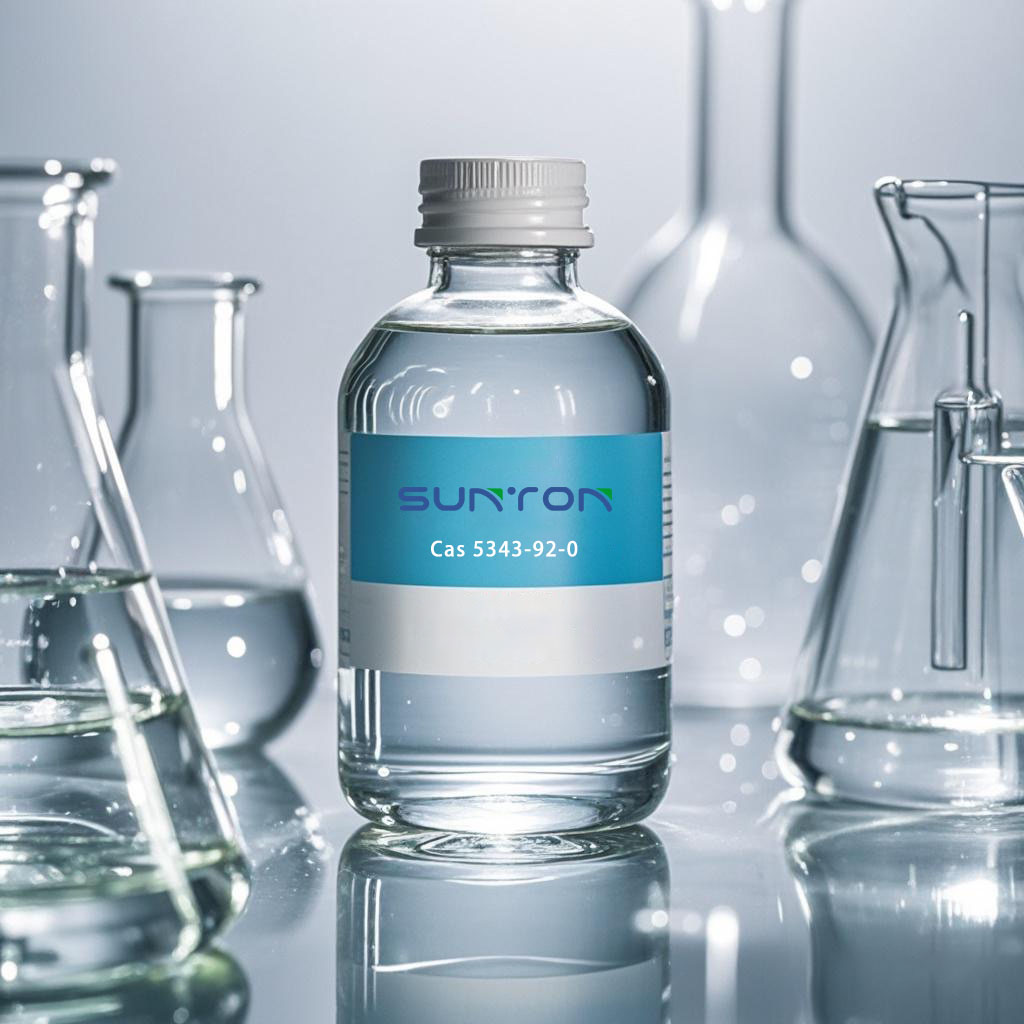
Químico diario
el término Químico diario abarca un vasto y esencial universo de productos que forman la base del cuidado personal y la higiene del hogar modernos. Esta industria se dedica a la investigación, desarrollo y fabricación de artículos utilizados en nuestra rutina diaria, incluidos champús, geles de ducha, cremas para la piel, detergentes, suavizantes de telas, pasta de dientes y productos de limpieza para el hogar. Lejos de ser simples productos básicos, estos productos son el resultado de una química sofisticada, una supervisión regulatoria estricta y cadenas de suministro globales complejas. Para los emprendedores, formuladores y marcas que buscan ingresar o expandirse en este mercado competitivo, el viaje desde un concepto novedoso hasta un producto seguro, efectivo y comercialmente exitoso en el lineal está plagado de desafíos. Requiere un proceso meticuloso de varias etapas que integre innovación científica, abastecimiento sólido, fabricación compatible y marca estratégica. El éxito no depende de un solo factor, sino de la perfecta orquestación de todos estos elementos. Esta guía proporciona una hoja de ruta integral, profundizando en los pilares críticos para construir una economía viable. Químico diario negocios: asegurar insumos de calidad, dominar la ciencia de la formulación, seleccionar el socio de producción adecuado y navegar por el panorama no negociable de las regulaciones globales.
- Alcance de la industria: Incluye productos de cuidado personal, cuidado bucal, cuidado del cabello y cuidado del hogar que se consumen y reponen periódicamente en los hogares de todo el mundo.
- Complejidad central: Los productos deben equilibrar eficacia, seguridad, atractivo para el consumidor, estabilidad y costo, todo dentro de un marco regulatorio estricto.
- El proceso de desarrollo: Un proceso secuencial que involucra ideación, formulación, pruebas de estabilidad, abastecimiento, fabricación, certificación de cumplimiento y lanzamiento al mercado.
La base: abastecimiento de materias primas de calidad
Cada alta calidad Químico diario El producto comienza con sus ingredientes. La selección y el abastecimiento de materias primas son posiblemente los pasos más críticos en todo el proceso de desarrollo, ya que determinan directamente el rendimiento, el perfil de seguridad, la estabilidad y la estructura de costos del producto. Los desafíos en este ámbito son múltiples: volatilidad de los precios de los derivados petroquímicos, interrupciones en la cadena de suministro, variabilidad en la calidad de los extractos naturales y la necesidad siempre presente de documentación técnica y regulatoria integral. Identificar y asociarse con una empresa confiable Químico diario Raw Material Supplier es, por tanto, un imperativo estratégico. Un proveedor de buena reputación hace más que solo vender productos químicos; Actúan como socio técnico y proporcionan certificados de análisis (CoA), hojas de datos de seguridad (SDS) que cumplen con las normas a nivel mundial e información detallada sobre origen, procesamiento y estabilidad. En el mercado actual, hay un cambio pronunciado hacia la integración Ingredientes naturales para productos químicos diarios , como tensioactivos de origen vegetal, aceites esenciales y compuestos bioactivos. Si bien estos ofrecen ventajas de marketing y se alinean con las tendencias de etiqueta limpia, introducen complejidades adicionales de abastecimiento, incluida la variabilidad estacional, costos más altos y la necesidad de certificaciones para verificar las declaraciones de productos orgánicos o cosechados de manera sostenible.
| Criterios de evaluación de proveedores | Por qué es importante |
| Calidad y consistencia | La variación de las materias primas entre lotes puede provocar cambios significativos en el color, la viscosidad, el aroma o el rendimiento del producto final, lo que genera quejas de los clientes. |
| Documentación regulatoria | En la mayoría de los mercados, se exigen por ley declaraciones de origen, certificado de análisis y SDS completas y precisas para las evaluaciones de seguridad, el etiquetado y el despacho de aduanas en la mayoría de los mercados. |
| Soporte Técnico | La capacidad de brindar asesoramiento sobre formulación, solucionar problemas de compatibilidad y sugerir alternativas es invaluable durante el desarrollo. |
| Resiliencia de la cadena de suministro | Múltiples sitios de producción, un amplio inventario y una comunicación transparente sobre los plazos de entrega mitigan el riesgo de paradas de producción. |
| Credenciales de Sostenibilidad | Para líneas naturales o ecológicas, las certificaciones como COSMOS, Ecocert o RSPO para derivados del aceite de palma son cada vez más importantes. |
El núcleo: dominar la formulación de productos
En el corazón de la Químico diario La industria radica en la intrincada ciencia de Químico diario Product Formulation Development . Esta es la etapa transformadora en la que las materias primas individuales se combinan en proporciones precisas y en condiciones específicas para crear un producto final estable, eficaz y agradable de usar. La formulación es a la vez una ciencia y un arte, y requiere un profundo conocimiento de la química, la tecnología de las emulsiones, la reología (propiedades de flujo), la conservación y la compatibilidad de las fragancias. El proceso es altamente iterativo y comienza con lotes de laboratorio a pequeña escala para probar el concepto central. Las muestras de laboratorio exitosas luego pasan a lotes a escala piloto, que imitan las condiciones de producción para identificar posibles problemas de escala. A lo largo de este viaje, las pruebas de estabilidad rigurosas son primordiales. Los productos se someten a un envejecimiento acelerado bajo diversas condiciones de temperatura y luz para predecir la vida útil y garantizar que sigan siendo seguros, eficaces y estéticamente consistentes (sin separación, decoloración ni cambio de olor) a lo largo del tiempo. Además, la formulación debe diseñarse pensando en el mercado objetivo, adaptándose a tendencias como los tensioactivos sin sulfatos, el cuidado del cabello sin siliconas o las fórmulas ricas en Ingredientes naturales para productos químicos diarios , todo ello manteniendo la eficacia limpiadora o acondicionadora.
- Desarrollo de laboratorio: Creación a pequeña escala de prototipos para establecer la fórmula básica, sensación y función principal.
- Pruebas a escala piloto: Escalar la fórmula a tamaños de lote intermedios para identificar los parámetros de procesamiento (velocidad de mezcla, temperatura, orden de adición) que afectan la calidad.
- Pruebas de estabilidad y compatibilidad: Esencial para verificar la vida útil, garantizar la compatibilidad del envase y demostrar que la fórmula sigue siendo homogénea y eficaz.
- Perfil sensorial: El "arte" de la formulación: ajustar la textura, la espuma, la sensación posterior y la fragancia para crear una experiencia de usuario deseable.
El camino: opciones de fabricación y marca
Una vez que se perfecciona y prueba una fórmula estable y eficaz, la atención se centra en la producción. Para la mayoría de las marcas, especialmente las nuevas empresas y las pequeñas y medianas empresas, construir una instalación de fabricación dedicada tiene un costo prohibitivo. Aquí es donde la subcontratación estratégica se vuelve clave. Asociarse con un Fabricante de productos químicos diarios de etiqueta privada o un fabricante por contrato ofrece un camino viable hacia el mercado. Estos socios especializados poseen equipos a escala industrial, instalaciones certificadas, experiencia técnica y cadenas de suministro establecidas para producir grandes volúmenes de productos de manera eficiente. Para una marca, este modelo reduce drásticamente el gasto de capital, minimiza la complejidad operativa y acelera el tiempo de comercialización. Un fabricante de calidad ofrecerá servicios que van desde la producción llave en mano (manejando todo, desde el abastecimiento hasta el llenado y el etiquetado) hasta el suministro de cantidades mínimas de pedido (MOQ) flexibles que se alinean con la etapa de crecimiento de una marca. Al evaluar un potencial Fabricante de productos químicos diarios de etiqueta privada , es fundamental evaluar sus certificaciones (p. ej., GMP - Buenas prácticas de fabricación), protocolos de control de calidad, capacidad, flexibilidad con MOQ y su experiencia con productos similares al suyo, especialmente si involucran ingredientes o procesos especializados.
| Modelo de producción | Descripción | Más adecuado para |
| Fabricación interna | Brand posee y opera sus propias instalaciones de producción. | Empresas grandes y establecidas con un volumen muy alto, tecnología propia y capital para infraestructura. |
| Fabricación por contrato | Un tercero produce su fórmula específica desarrollada a medida. | Marcas con una fórmula única y totalmente desarrollada que necesitan una producción a escala industrial sin necesidad de poseer una planta. |
| Fabricación de etiquetas privadas | Un tercero produce fórmulas estándar existentes que usted puede marcar como propias. Ofrece menos personalización. | Startups, minoristas y marcas que buscan lanzar productos rápidamente sin una gran inversión en I+D. |
El imperativo: garantizar el cumplimiento normativo
Navegando por la red global de Cumplimiento normativo para la industria química diaria no es simplemente una última casilla a marcar; es un requisito fundamental que debe integrarse en cada fase del desarrollo y abastecimiento de productos. Las regulaciones varían significativamente según la región y la categoría de producto. En Estados Unidos, la Administración de Alimentos y Medicamentos (FDA) regula los cosméticos, mientras que la Agencia de Protección Ambiental (EPA) supervisa los desinfectantes y los productos antimicrobianos. La Unión Europea tiene uno de los marcos más estrictos del mundo con el Reglamento sobre cosméticos de la UE (CE 1223/2009), que exige una evaluación de seguridad integral, una persona responsable designada y reglas estrictas sobre ingredientes prohibidos y restringidos. Otros mercados importantes como China, la ASEAN y el Reino Unido tienen sus propios conjuntos de reglas en evolución. El cumplimiento afecta a casi todas las decisiones: desde la selección de conservantes y filtros UV permitidos hasta el abastecimiento de materias primas con la documentación correcta y, en última instancia, hasta la información obligatoria que debe aparecer en la etiqueta del producto (por ejemplo, listados de ingredientes en la nomenclatura INCI, advertencias, cantidad neta). Una mentalidad proactiva que priorice el cumplimiento, a menudo respaldada por consultores regulatorios, es esencial para evitar costosas reformulaciones, retiros del mercado o denegaciones de entrada al mercado.
- Requisitos previos a la comercialización: Muchas regiones requieren notificación del producto (CPNP de la UE, Programa de registro voluntario de cosméticos de la FDA de EE. UU.) o incluso aprobación previa a la comercialización para ciertas afirmaciones.
- Dossier de Seguridad: Es obligatorio un Archivo de Información del Producto (PIF) en la UE o un informe de evaluación de seguridad similar que demuestre la seguridad del producto para la salud humana.
- Leyes de etiquetado: Hay reglas estrictas que rigen el orden de declaración de los ingredientes, el tamaño de fuente, las advertencias obligatorias (por ejemplo, para aerosoles) y la fundamentación de las afirmaciones (por ejemplo, "dermatológicamente probado", "natural").
- Buenas prácticas de fabricación (GMP): El cumplimiento de las directrices GMP es un requisito legal en muchos mercados y una base para cualquier empresa acreditada. Fabricante de productos químicos diarios de etiqueta privada .
Preguntas frecuentes
¿Cuál es la diferencia entre un fabricante por contrato y un fabricante de marca privada?
Ésta es una distinción fundamental en la Químico diario panorama de producción. un Fabricante de productos químicos diarios de etiqueta privada normalmente ofrece un catálogo de fórmulas estándar preexistentes. Una marca selecciona entre estas opciones y el fabricante produce el producto con la etiqueta y el empaque de la marca. La personalización suele limitarse a la fragancia, el color y el diseño de la etiqueta. Es un punto de entrada más rápido y de menor riesgo. Por el contrario, un fabricante por contrato se especializa en producir una fórmula personalizada desarrollada por o para la marca. Proporcionan la capacidad a escala industrial para darle vida a su propiedad intelectual única, manejando procesos complejos como emulsiones de llenado en caliente o la incorporación de ingredientes activos específicos. La elección depende de si tiene una fórmula patentada (contrato) o desea aprovechar recetas establecidas bajo su marca (etiqueta privada).
¿Cómo me aseguro de que los ingredientes naturales que obtengo sean de alta calidad?
Abastecimiento de alta calidad Ingredientes naturales para productos químicos diarios requiere diligencia más allá de los controles estándar de los proveedores. Primero, insista en especificaciones detalladas para cada ingrediente, incluidos los porcentajes de constituyentes activos, el método de extracción (p. ej., CO2 versus solvente), el origen geográfico y la fecha de cosecha de los productos botánicos. En segundo lugar, exija certificaciones de terceros relevantes para sus afirmaciones, como USDA Organic, Ecocert o FairWild. Los proveedores acreditados proporcionarán Certificados de análisis (CoA) que verifican la pureza, la identidad y la ausencia de contaminantes como metales pesados, pesticidas o disolventes residuales. Finalmente, realice sus propias pruebas de estabilidad, ya que los ingredientes naturales pueden ser más propensos a la oxidación, el cambio de color o el crecimiento microbiano que las alternativas sintéticas, lo que afecta la vida útil del producto final.
¿Cuáles son las etapas clave en el desarrollo diario de la formulación de productos químicos?
El proceso de Químico diario Product Formulation Development es sistemático e iterativo. comienza con Concepto y resumen , definiendo el objetivo del producto, el mercado objetivo y las características clave. El siguiente es Formulación a escala de laboratorio , donde un químico crea prototipos iniciales. Estos se someten Pruebas iniciales de estabilidad y eficacia para ver si cumplen con los objetivos funcionales básicos. Los prototipos exitosos luego se amplían a Lotes piloto para identificar los parámetros de fabricación. A esto le sigue una exhaustiva Pruebas de estabilidad bajo condiciones aceleradas (calor, frío, luz) para establecer una vida útil proyectada. Al mismo tiempo, Pruebas de seguridad y compatibilidad (incluida la eficacia de los conservantes y la compatibilidad del envasado). Finalmente, la fórmula está bloqueada y un Fórmula maestra de fabricación está creado para la producción a gran escala.
¿Cuál es el aspecto más desafiante del cumplimiento normativo para una nueva marca?
Para los nuevos participantes, el aspecto más desafiante de Cumplimiento normativo para la industria química diaria A menudo es la complejidad y el costo de preparar una evaluación de seguridad legalmente adecuada, particularmente para mercados como la Unión Europea. Esto requiere que un evaluador de seguridad calificado revise los datos toxicológicos de cada ingrediente de su fórmula, incluso aquellos que generalmente se consideran seguros. Reunir estos datos, especialmente para ingredientes novedosos o naturales que pueden carecer de un expediente público sólido, puede llevar mucho tiempo y ser costoso. Además, navegar por las diferencias entre las regulaciones regionales (por ejemplo, ingredientes prohibidos en la UE que están permitidos en los EE. UU.) agrega otra capa de complejidad para las marcas que buscan una distribución global.
¿Qué debo buscar al elegir un proveedor diario de materia prima química?
Seleccionando un Químico diario Raw Material Supplier es una asociación estratégica. Más allá de los precios competitivos, priorice a los proveedores que demuestren Calidad constante (solicite CoA de varios lotes anteriores), Documentación completa y conforme (SDS globalmente alineadas, hojas de datos técnicos), y Fiabilidad probada (entrega a tiempo, comunicación transparente durante problemas de la cadena de suministro). Para ingredientes especializados, evalúe su Soporte Técnico capacidad: ¿pueden sus químicos ayudarlo a solucionar un problema de formulación? Finalmente, evalúe su Gama de productos e iniciativas de sostenibilidad ; un proveedor que ofrezca alternativas de química tradicional y ecológica puede brindar mayor flexibilidad a medida que evolucionan su marca y las demandas del mercado.
Conclusión: construir un negocio químico diario sostenible
Lanzar y escalar una empresa exitosa en el Químico diario El sector es un esfuerzo multidimensional que exige experiencia mucho más allá de una gran idea de producto. Requiere una estrategia holística que integre perfectamente cuatro pilares críticos: abastecimiento estratégico de proveedores examinados, formulación meticulosa basada en la ciencia y la seguridad, selección inteligente de un socio de fabricación alineado con la escala y los valores de su marca, y un compromiso inquebrantable con el cumplimiento normativo desde el primer esbozo de la fórmula. Al comprender las complejidades de Químico diario Product Formulation Development , la importancia de asociarse con una persona competente Fabricante de productos químicos diarios de etiqueta privada y el carácter no negociable de Cumplimiento normativo para la industria química diaria , las marcas pueden navegar las complejidades del mercado con confianza. En una industria cada vez más impulsada por la transparencia, la eficacia y la sostenibilidad, una base sólida en estas áreas centrales no es solo el camino hacia la entrada al mercado: es el modelo para generar una confianza duradera en la marca, garantizar la integridad del producto y lograr el éxito comercial a largo plazo en el dinámico mundo de los productos químicos de uso diario.
Productos recomendados
-
2,3-dimetil-2,3-difenilbutano (DMDPB)
-
Benceno, 1,4-bis (1-metilethyi)-homopolímero
-
Cianuración de melamina
-
Acetidrazida
-
Pentilenglicol
-
1,2-hexanodiol
-
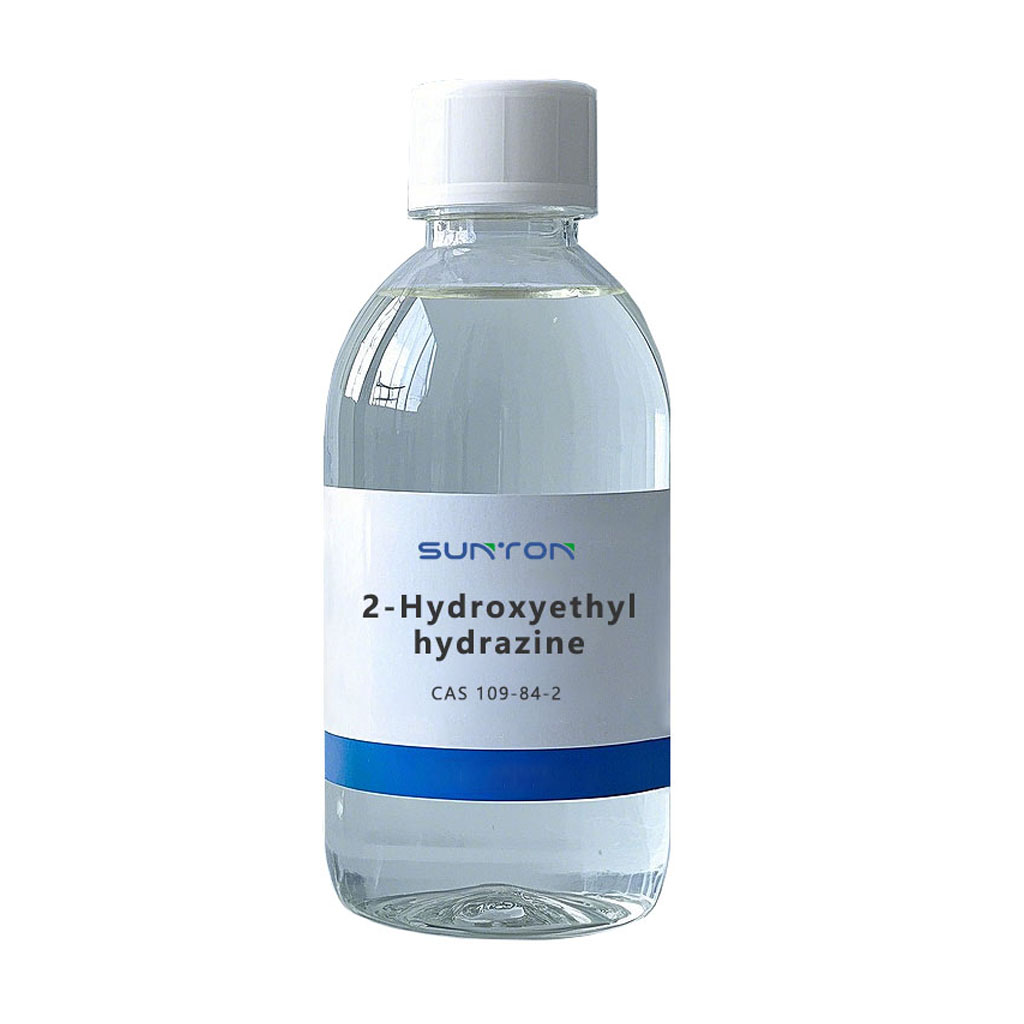
2-hidroxietilhidrazina
-
Ácido capirlohidroxámico
-
XPS Special Masterbatch
-
1,1 '-(isopropilideno) BIS [3,5-Dibromo-4- (2,3-Dibromo-2-metilpropoxi) benceno]
-
Hexahidro-1,3,5-tris (2,3-dibromopropil) -1,3,5-triazina-2,4,6 trione
-
Decabromodiphenil etano (DBDPE)


![1,1 '-(isopropilideno) BIS [3,5-Dibromo-4- (2,3-Dibromo-2-metilpropoxi) benceno]](/jssunton/2024/12/20/白底-2.jpg "1,1 '-(isopropilideno) BIS [3,5-Dibromo-4- (2,3-Dibromo-2-metilpropoxi) benceno]")
PERFIL DE LA EMPRESA
Información de contacto
- Phone: +86 18114870532
- Tel: +86 510-86686637
- Email:
- Add: No.5 Village de Shuangquan, pueblo de Diaryqi., Town Xuxiake, Jiangyin, Jiangsu, China
Copyright © Jiangsu Suoteng New Material Technology Co., Ltd. All Rights Reserved.Fabricantes de compuestos orgánicos de productos químicos personalizados
 Descargo de responsabilidad
Privacidad
苏 ICP 备 2024090995 号
Descargo de responsabilidad
Privacidad
苏 ICP 备 2024090995 号